For a number of forays into the parks and reserves of the Northern Territory, a visitor pass is a necessity, if only for those not resident in the Territory. Any traveller in 2026 would do well to put in some time at the official Parks Visitor Pass Portal to see what the fees are, select the right period for the pass, put in your vehicle information and have a digital copy of the purchase at hand.
In this guide I set out the ins and outs of the NT visitor pass: who should have one, what it entails, where you will want a separate permit and how to make ready for a trip to Buley Rockhole or Litchfield National Park. I am Cassian Redfern, a travel writer from Perth, and I can vouch for the fact that an error on the paperwork is a big headache when one is a few hundred kilometres from the service station.
The Right Pass To Start With
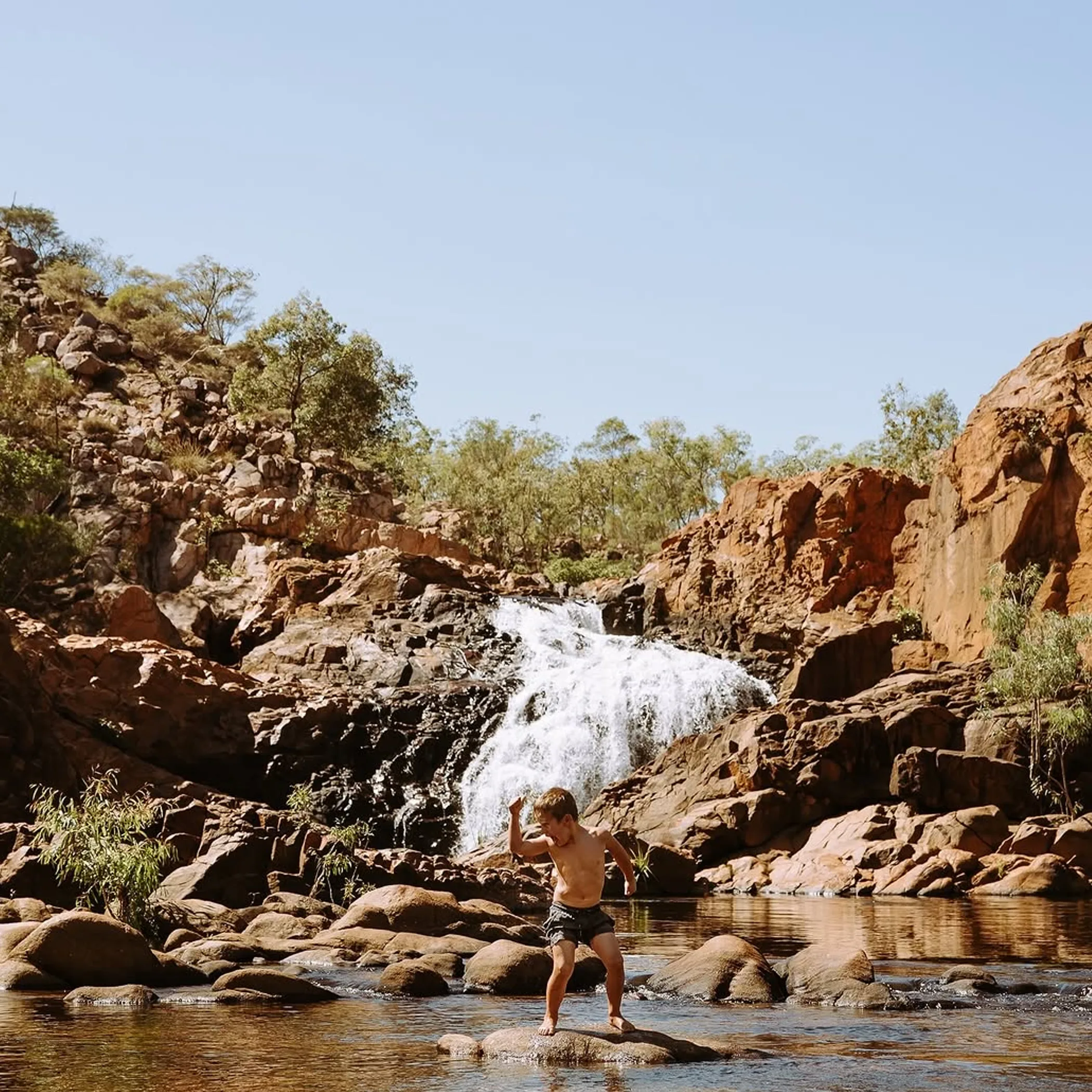
Paid entry to eligible national parks and reserves in the Northern Territory is made easy with the appropriate pass. But do not mistake it for a universal ticket; it does not of its own accord stand in for a camping permit, an Aboriginal land access approval or another national park pass.
You may as well verify Buley Rockhole park access details and what the park in question demands before you turn off the Stuart Highway or onto a bush track. One never knows when road conditions, a wet season flood, wildlife or even a locked gate will put a stop to your plans (the mozzies are not going to care about your itinerary).
In What Way Does The Pass Apply
Through the Northern Territory Government’s Parks Visitor Pass Portal an entry product is issued. Its validity and the parks or reserves it is good for are a matter of the category and duration you put down at the point of purchase.
Normally the pass will be tied to the vehicle or booking details you have given. Make sure to have the receipt or confirmation email to hand on your phone and an offline version if you are heading somewhere with no mobile signal.
Do Your Checking
There is no point in supposing a single pass will see you through the whole of your travels. Consult the Northern Territory Government parks data prior to setting off to be sure of the rules on camping, access and any closures.
Visitor Access
Ordinarily the pass is for visitors who are not part of local arrangements and wish to go into an eligible reserve. If you are not a Territory resident you can count on having to put one in order for a paid area, barring some exemption.
Residency, the activity at hand and whether there is camping or a special route involved will all factor into eligibility. Given that prices and requirements are subject to change, the portal is the last word on the matter.
Residents And Visitors
An interstate or overseas traveller should be under the impression that a pass is needed for any fee-paying park. It is better to check than to have an uncomfortable exchange with a ranger over it at a staffed post or during a compliance check.
Concessions and other provisions exist for NT residents but a rental car or flight plan is no way to determine residency. Where there is any doubt as to a local exemption, the current NT Government information will clear it up.
Families And Groups
Should the product description indicate it covers the adults and children in tow, a family pass is the way to go. Yet with multiple cars or commercial tours in the mix, do not think every member of a large group is covered.
Where friends are in different vehicles, find out if the pass is to the person, the booking or the car. Entering the wrong registration means the second vehicle has to come up with the cash again and the pass was not worth the money.
Scope Of The Pass
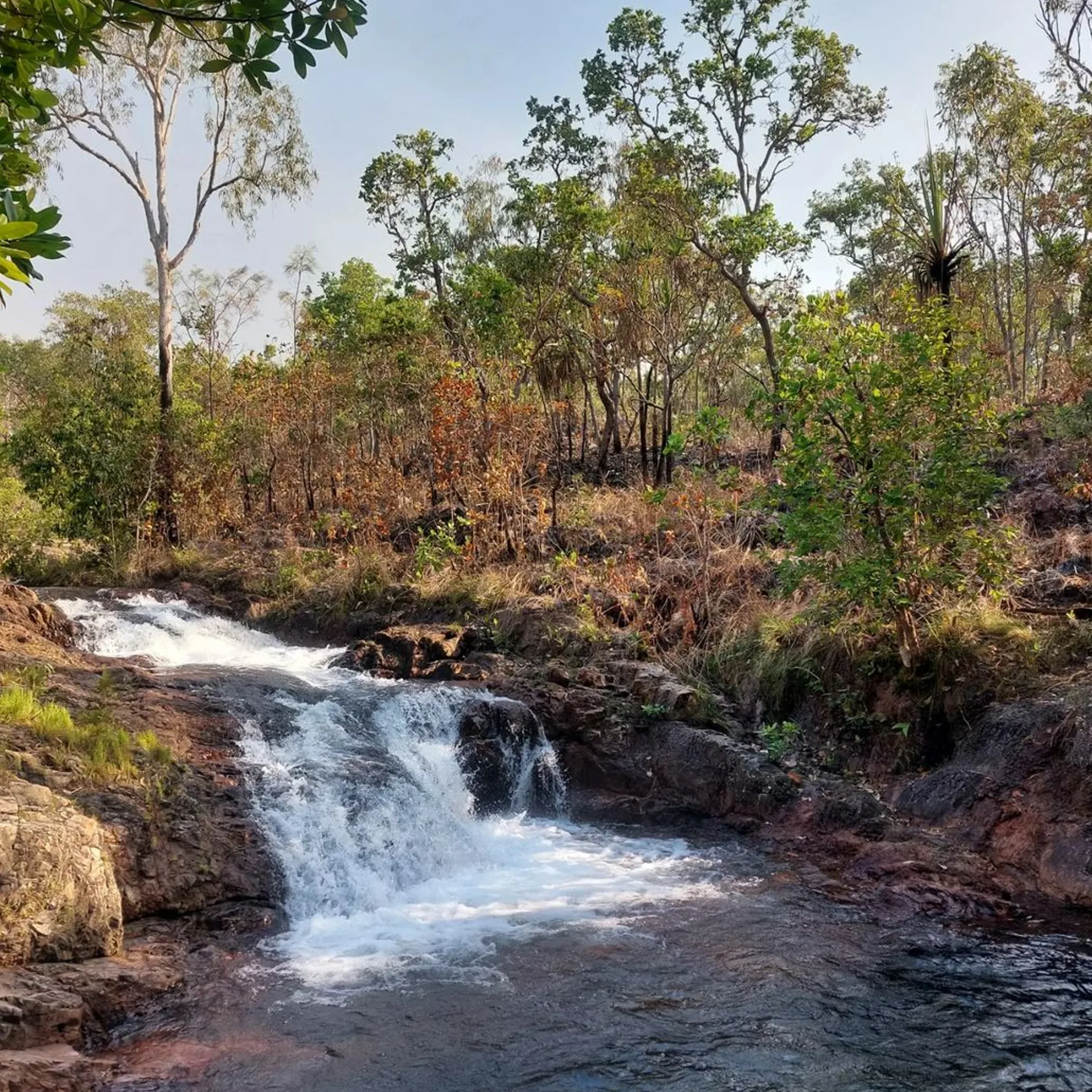
Think of the pass as an access fee for the category you have chosen, not a catch-all for the Northern Territory’s protected areas. You will still need to sort out a campsite, boat launch, fishing or road permit, or anything to do with Aboriginal land. Entry, camping and special access are distinct matters.
As far as included park entry is concerned, the pass will cover the participating national parks and reserves as per the Portal. One should check the precise coverage at checkout; a park could be under another authority or have a pass system of its own.
It is well to make a screenshot of the purchase confirmation for the validity period. Should reception be non-existent and a ranger wants to see that you have put your money down, having a digital proof of purchase comes in handy.
Exclusions
An entry pass will not do for a camping permit, as a rule. There are other things you might require too: a booking at an in-demand campground, the go-ahead for a certain road or to set foot on Aboriginal land. Nor does a pass render an unsafe road safe; water over a causeway in the wet season is still water over a causeway.
If you are with a school group or part of a large organised party, or a commercial operator, see if there are licence or booking conditions on top of what a standard adult pass would provide.
Fees and the like
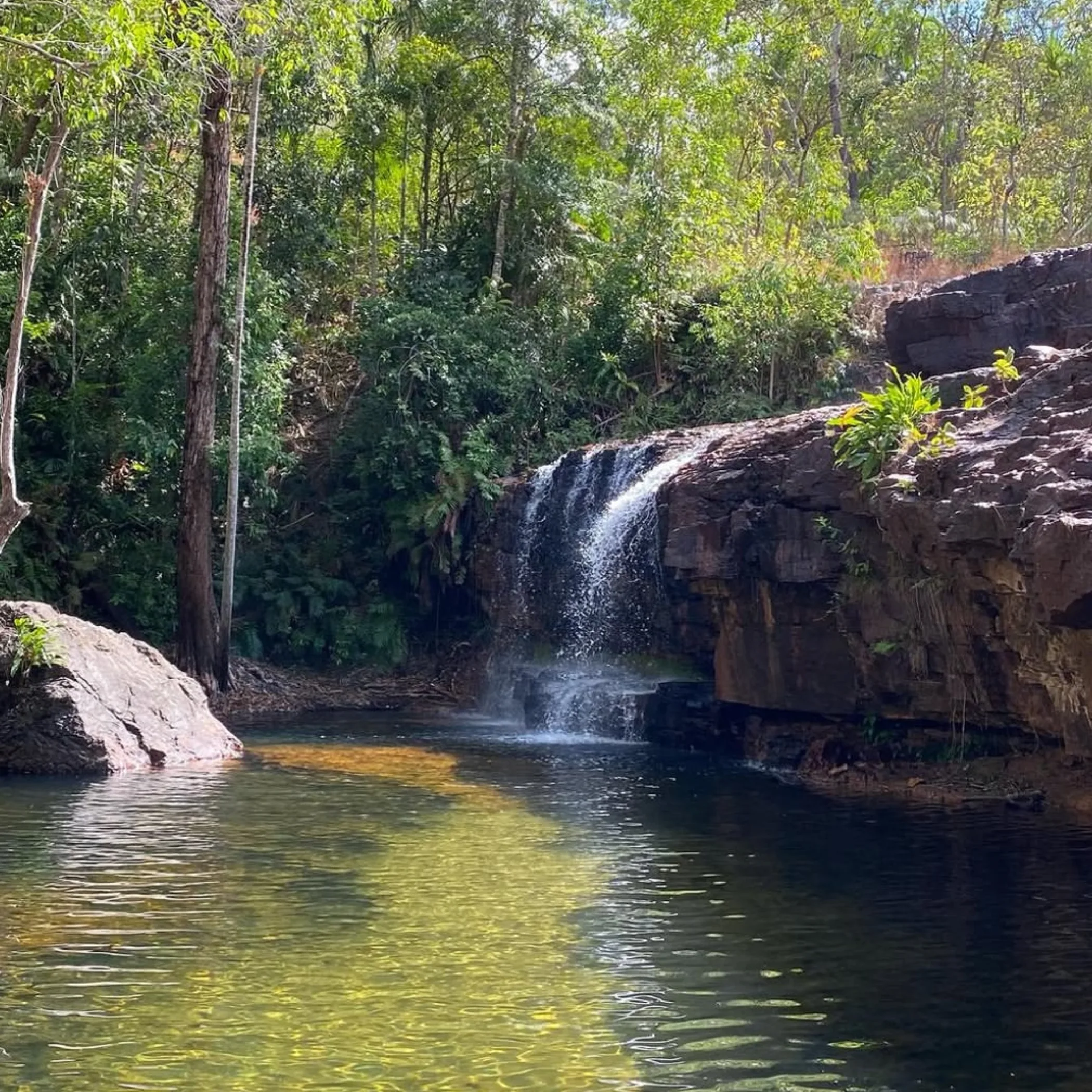
As NT parks pass prices are time-sensitive and I have no 2026 fee schedule to vouch for, I will not put forward any figures of my own. Go to the Parks Visitor Pass Portal and put the live total to the test before paying, with all the vehicle and category details that are put before you.
The table here sets out the pass types in the present brief but where the portal’s wording on eligibility or inclusions differs, let that be the final word.
| Pass Type | Best for | What to check at payment |
|---|---|---|
| 3-day | A Top End excursion of a few days to one or two qualifying parks | Participating parks, expiry and start date |
| 2-week | Road trippers putting in several stops at parks | Calendar day or exact hour running |
| Annual | Those making repeated eligible visits | Rules on transfer, user eligibility and dates |
| Open | For the flexibility it affords, where available | In what way “open” applies to your vehicle, park and dates |
| Adult | The individual visitor | Is it tied to the person or the vehicle? |
| Family | Eligible families en route | Residency rules and who is included |
On duration
Do not be seduced by the pass that seems the least expensive; pick the one that fits your route. With a flight delay, some time off in Darwin and the vagaries of the weather, a 3-day pass can be and gone before you get to the second park. A 2-week pass is more sensible for a trip to Litchfield and elsewhere in the Top End if the portal price is better than buying in separately. Repeat visitors may find an annual pass to their liking, provided they have seen that it covers the parks in question.
An easy online transaction
Put aside a few minutes of quiet to buy an NT parks pass from the comfort of town before you head out. It is all very romantic to complete the purchase next to a waterfall until you are down to a bar on the phone, the child has to use the toilet and the checkout page refreshes itself.
The 2026 options, conditions and pricing will be on the Parks Visitor Pass Portal. Have a read of the product description, not just the headline price.
How to proceed
- Access the current Parks Visitor Pass Portal via the NT Government parks information service.
- Make your selection of pass type and period.
- Put in the required details for the traveller, vehicle and residency.
- See that the parks, dates and the NT national park entry fee are as you want them.
- Use the secure checkout and await your confirmation.
- Put the digital pass, receipt and number away offline.
Things to watch for
With a hire car it is simple enough to get the vehicle details wrong. Get the registration when you take delivery of the car and amend the purchase on the portal if you can. Do not trust your memory, hire-car plates are hardly poetry.
Be sure of the start date. Some products will have you choose a future one, a pass bought in the evening might be effective right away. In any case hold on to the receipt.
Preparation for entry
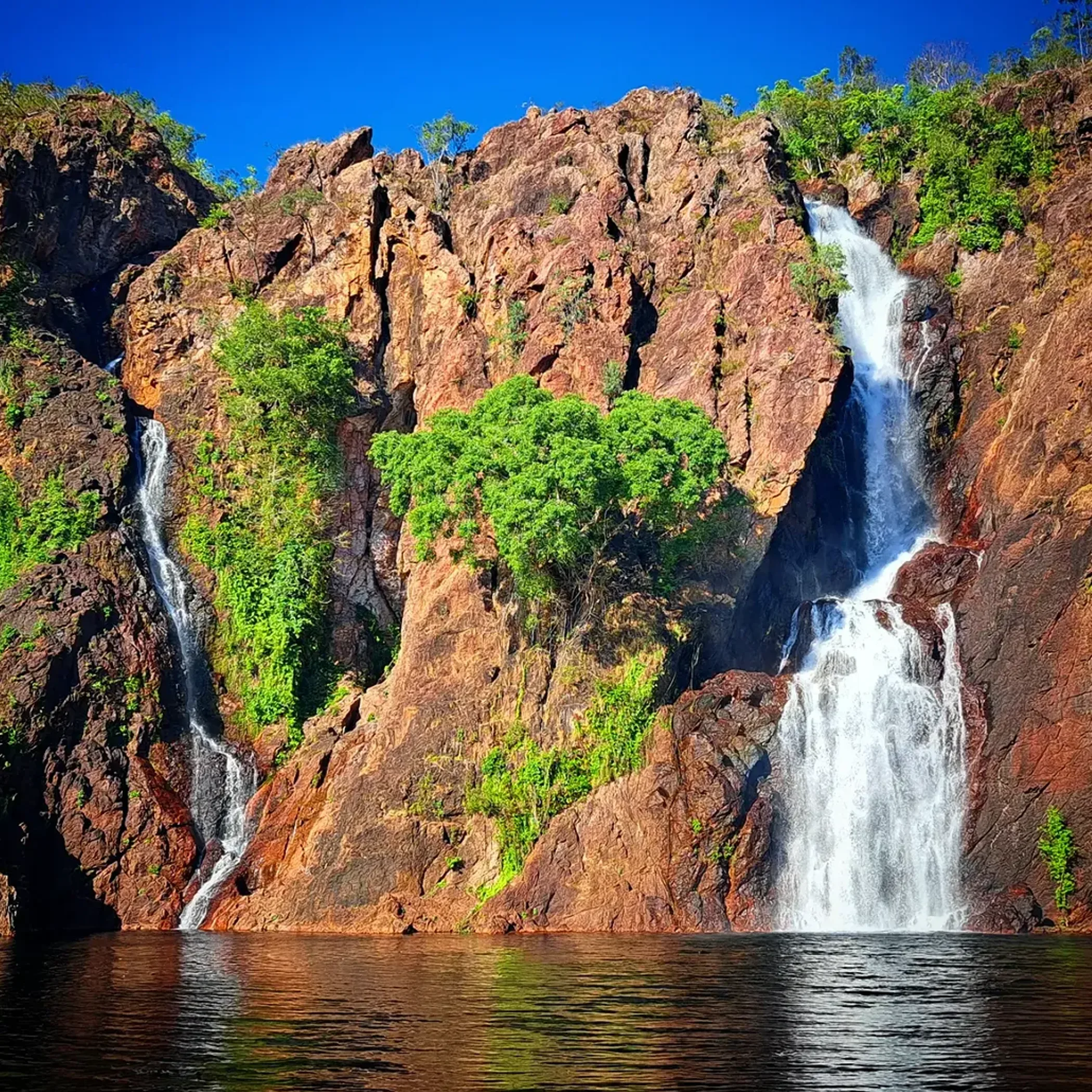
To avoid the administration and concentrate on the track, come prepared. Rangers will want to see you have paid or will be checking the vehicle. Be civil and heed their instructions; report an injury to wildlife or a facility in disrepair instead of making a hero of yourself in some bush rescue that need not have been.
Have with you sun protection, water, a charged phone, paper back-up of the important stuff and good footwear.
Checklist
- Offline copy of your digital proof of purchase
- The correct registration for the vehicle (hire cars)
- Residency evidence or ID where called for
- First-aid, food, water and sun protection
- Fuel to see you through the route with something to spare
- For any remote excursions one will want a fully charged phone or satellite device and offline maps at the ready.
Wet Season
One should be prepared for the fact that in the wet season walking tracks, creek crossings and access roads have a way of changing in a hurry. Travel across the Top End could be put on hold by cyclone alerts from November to April, and there are other times and places where bushfire closures come into play.
The dry season is more accommodating as a rule, yet it draws crowds to the better known sites. Put in an early appearance to secure a parking spot and make allowance for queues. Take plenty of water even if the sky is benign; it is not a substitute for a proper hydration plan.
Parks And Permits
A pass for an NT park is no guarantee of entry to Kakadu or Uluru-Kata Tjuta National Park, nor does it cover a Mereenie Loop permit. Some of the Northern Territory’s premier destinations have their own systems. It is well worth checking with the relevant authorities when you are putting together an itinerary that spans several regions, especially for those making the long haul between the Top End and the Red Centre where a case of missing a permit can mean an expensive detour.
Kakadu and Uluru
Travellers to Kakadu National Park would do well to verify what is required for a park pass prior to getting there. The same goes for Uluru-Kata Tjuta: the pass for that national park is distinct from your general NT visitor pass.
At Uluru-Kata Tjuta payment is only part of the equation, cultural rules are every bit as important. Heed the visitor guidance, observe any closures and stick to the marked routes. A national park is not some theme park with the signage removed.
Mereenie Loop
You may need a specific permit for the Mereenie Loop and the roads there are apt to be rough under remote conditions with access rules in flux. Before you set out on the route, see what the insurance covers and whether the vehicle and fuel supply are up to it.
A pass is not a free pass to disregard a road closure. If the going is rough as guts, do not put tyres or recovery costs to the test, just put off the crossing.
Buley Rockhole
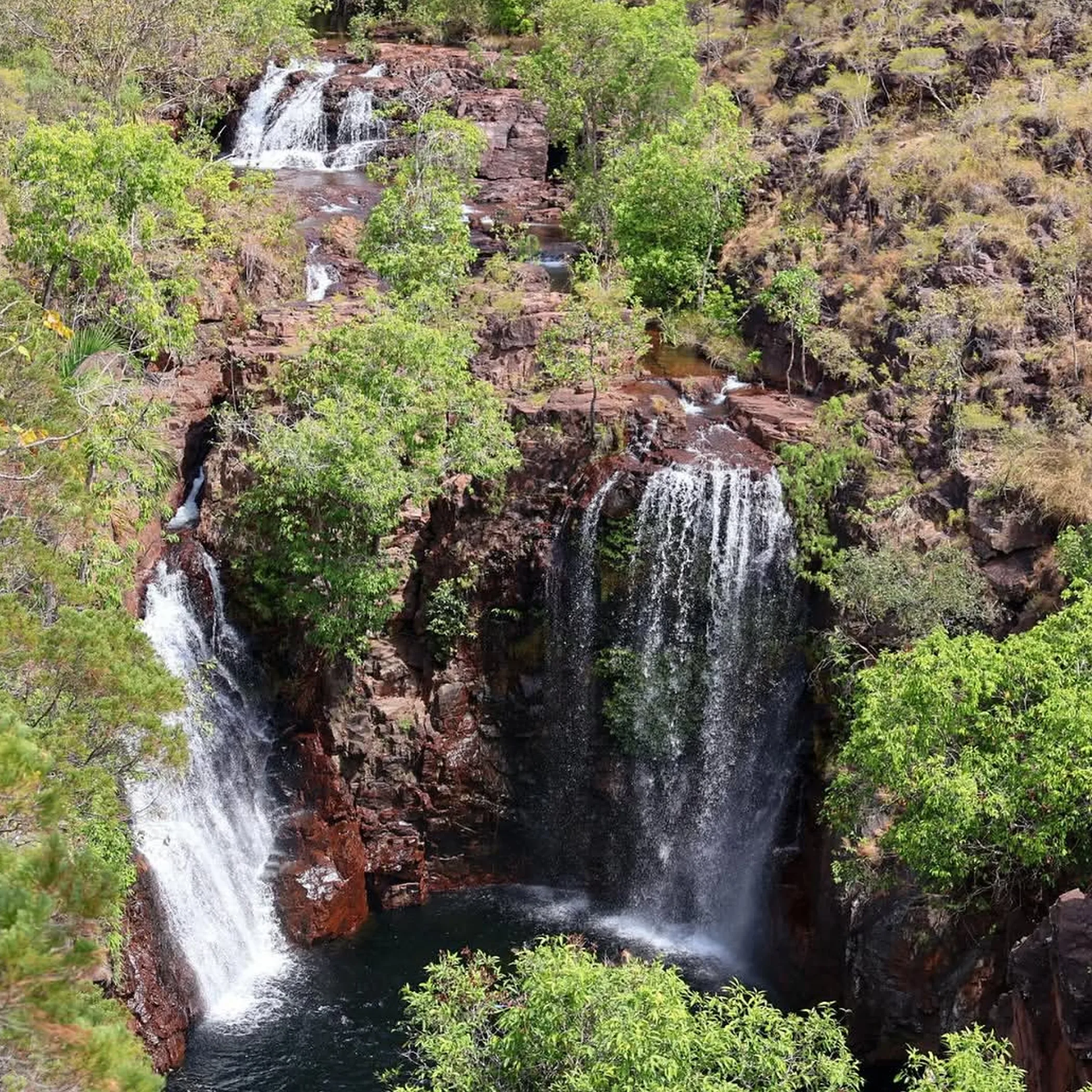
Part of Litchfield National Park, Buley Rockhole is a fixture of most Top End itineraries. In the dry season the place can be full and after heavy rain or for safety reasons the arrangements for swimming and access can be altered.
Before the drive from Darwin, look up the state of Litchfield National Park. Do not rely on the map for timing; give yourself enough leeway for the walk, some photos, a swim and a measured return.
A Day Out Of Darwin
An early start is called for to do a day trip of Litchfield and still fit in Buley Rockhole and a few other things. Between the track, the heat, toilet and fuel stops and the odd wait for a space to park, driving is but a portion of the day. With only one day to spare, pick a site or two and see it properly instead of rushing about. Buley Rockhole is fine for those who can handle the uneven ground and hot, slippery surfaces, but not for anyone wanting step-free access or a pool to themselves at lunch.
Reality Check
You may think the water will be there for a leisurely swim upon arrival. In reality it is down to the conditions, the rocks, the crowds and how confident you are in moving water.
Keep a close eye on the children and wear something secure on your feet. Obey the rangers and the signs. Unless the depth is known to be safe and the rules of the day say otherwise, do not be jumping off rocks. Show some respect for the waterholes of the Northern Territory, the calm ones included.
Frequently Asked Questions
To avoid the kind of trouble that is had at park gates or on a long bush drive, here are the answers to the usual questions. When in doubt over a fee or rule, let the park notice or current portal be the final arbiter.
Litchfield National Park entry fee
The 2026 figure is not provided here so consult the Parks Visitor Pass Portal before you go. Pricing from the NT Government will vary according to the type of pass and visitor category.
National park rules
Comply with fire and vehicle restrictions, use the facilities put in place, leave your rubbish and protect the local flora and fauna. Stay on the track and follow the ranger. Separate permits are in order for camping, special roads and Aboriginal land.
Are Australia’s national parks free?
Not all of them. Depending on the state or territory and the managing authority you will find some are free and others will want an entry or camping fee.
Kakadu and Uluru-Kata Tjuta
Both require separate passes. An NT Parks Visitor Pass does not include Kakadu, so check the requirements first. For the Red Centre you will need an Uluru-Kata Tjuta pass; confirm the price and validity ahead of time.
Make the most of your pass
Buy the right NT Parks Visitor Pass on the portal and put the proof of purchase somewhere you can get to it without a connection. Verify the 2026 price and vehicle details and then do the same for each campground and route. A little organisation of that sort means you have the time for the good stuff: a billy boiled up, the light going over the bush and being back in town before you have to contemplate the fuel gauge.
