It is not a matter of picking the month that is most agreeable on the calendar when deciding the best time to visit Australia for a guided experience in 2026; it comes down to your destination. The likes of March through May and September to November are generally where you will find the right mix of mild weather and dependable conditions for any number of outdoor pursuits, from cultural excursions to walking and wildlife tours, all with fewer people around.
Then there is the question of Australian distance. I am Cassian Redfern and have been taught by experience that it can make a shambles of an otherwise well put together itinerary. A morning flight followed by an interminable transfer, a track that is shut and a water bottle left behind is enough to alter the day. One keeps things practical: in the southern cities and out in the regions, spring or autumn is the way to go. Make it winter for the Red Centre and the northern dry season, and be sure to time your Queensland coast against its wet and jellyfish seasons.
Australia Travel Seasons At A Glance
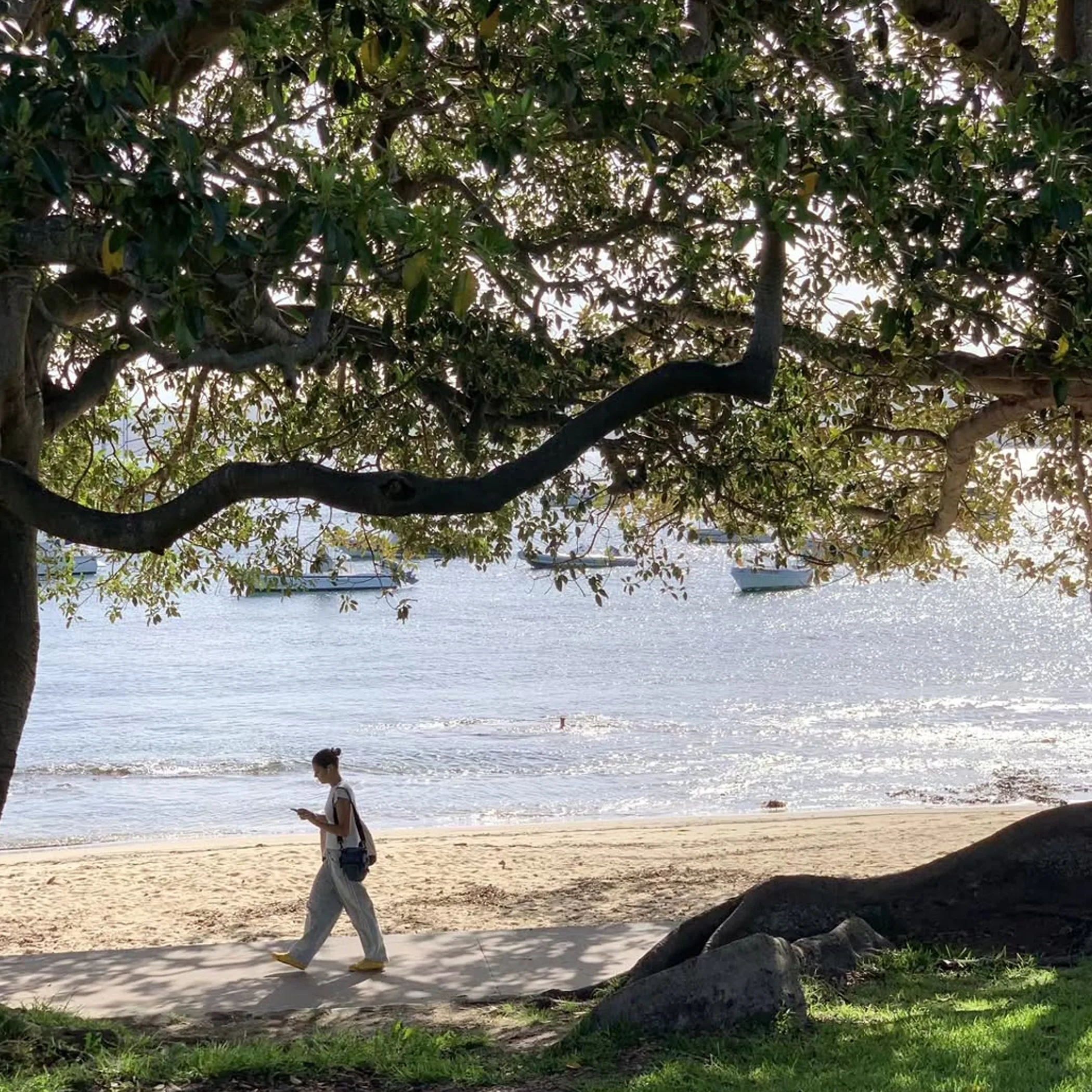
With a climate that can be quite different in Darwin than in Hobart across its two territories and six states, what makes for the best months to see Australia is contingent on the kind of guided experience with expert local tour guides you have in mind, whether that be a city walk, some reef diving or following a wine trail.
At 7.7 million square kilometres or so, “summer in Australia” is hardly a monolith. You may have a warm, crowded Sydney one day, and Melbourne will have cycled through four seasons before you have had lunch, while the Top End is in the thick of the wet season.
| Season | Best Regions | Guided Experiences | What to watch for |
|---|---|---|---|
| Spring: September to November | New South Wales, Victoria, South Australia, southern Western Australia | Gardens, coastal trips, wine trails, walking and wildlife tours | School holidays, variable weather and the odd bushfire as the season wears on |
| Summer: December to February | Tasmania, some alpine areas and the southern beaches | Boat trips, long days, food and coastal walks | Storms, closed tracks due to fire, the heat and full beaches |
| Autumn: March to May | Sydney, Melbourne, regional Victoria, South Australia and parts of Western Australia | Sightseeing in the city, longer itineraries in the region, wine and wildlife | Rain, cooler nights and early closures |
| Winter: June to August | Queensland, Northern Territory, the Red Centre, northern Western Australia | Outback, Uluru, the reef and culture | Inland cold, little daylight and the dry north will be at peak demand |
Peak And Shoulder Travel
There is less room to manoeuvre with transfers and you will pay more for accommodation in the peak. But the shoulder season, say March to May or September to November, does not require you to forgo the big attractions and allows a bit more leeway.
Do not assume it is going to be cheap and quiet. A long weekend or Easter will have the hotels and tours full enough, and the same goes for a sporting event of note. Get in early on the popular ones and put some space in for the weather and a stop at the bakery.
The Case For Spring And Autumn
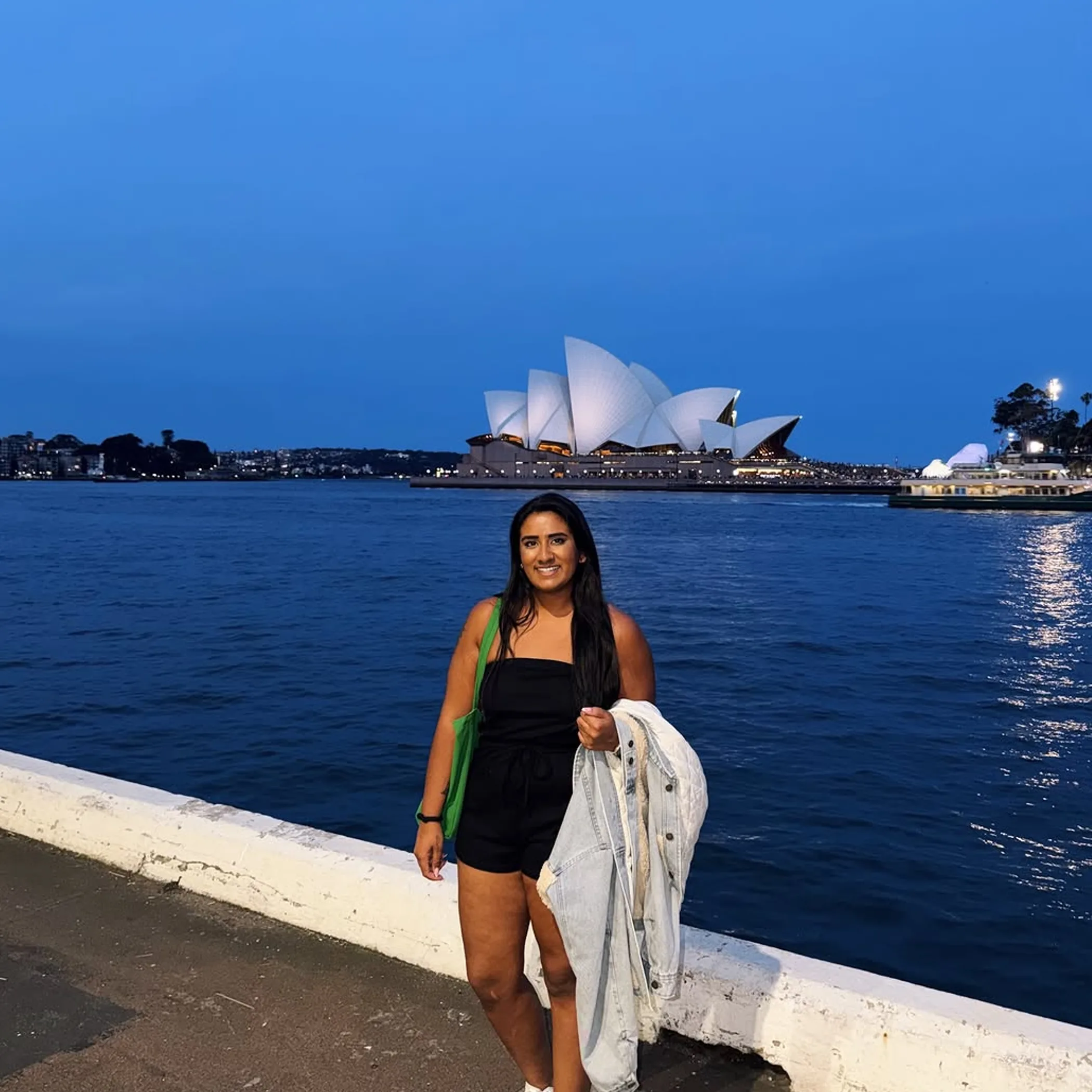
For a guided tour in Australia these are the comfortable seasons, in no small part because they do away with the extremes. It is possible to be out for hours without the sun making an issue of it and the guide is in better shape for driving the region or putting in some wildlife spotting.
They also lend themselves to an itinerary with a few stops. One can pair Adelaide with a wine trail or Sydney with the Blue Mountains, or even Melbourne with the Yarra Valley, without having to pack for the winter or structure everything to avoid the midday heat.
Longer Days In Spring
If gardens and the coast are on the agenda along with some walking, September to November is apt. The wildflowers put on a show in Western Australia and the southern cities pick up the pace but not to the extent of summer.
Mind you, the weather has a mind of its own. Put on a hat and some sunscreen and have a light waterproof at hand even if the morning is as unremarkable as you like. In the south late spring can mean heat and smoke and national park closures over bushfires, so heed the warnings.
A Steady Autumn
I tend to favour March to May to get in some cities and a few regional places. The walking is easier and the evenings are not as much of an ordeal. The light is good for your camera in the Adelaide Hills, New South Wales and around Melbourne.
When I was once planning a protracted route in Western Australia I made the mistake of thinking of the distances as you would on a Canadian road trip. One could call it optimistic. What is a straightforward route on paper can in practice mean roadworks, unsealed stretches, fuel stops and an absence of phone reception. A guided itinerary takes the guesswork out of it, on remote roads in particular.
Regional Timing in Australia
The season as defined nationally is less relevant than what applies to the region. Queensland in winter is fine, but in Melbourne or the Red Centre that same month will see cold mornings and freezing nights.
Take the seasonal guide below for what it is and then put it to the test with current forecasts, park notices and road conditions, not to mention tour departure dates. For an official read on long term patterns and seasonal conditions the Bureau of Meteorology is a good reference.
Planning for Sydney and Melbourne
Guided experiences in these cities are at their best from March through May and again in the September to November window. One will find them well suited to day trips in the hinterland, gallery and food experiences, architecture tours and strolls in the laneways or along the harbour.
Sydney is more amenable to outdoor sightseeing when the humidity and heat are in check. In Melbourne one does well to be flexible come what season; before you have located the right tram platform the weather has a way of going from sun to sideways rain. Put on an extra layer and make peace with the fact the city can seem to hold a grudge.
Tropical Travel and Queensland
There are different zones to consider in Queensland. You can get by in Brisbane and on the Gold Coast most of the year. Not so in Cairns, Port Douglas and the Great Barrier Reef where the wet season, storms, jellyfish and humidity are factors.
Reef excursions and touring in the north are usually done in the drier months though wind and visibility in the water are not constant. Do not rely on a half-day moniker from the brochure: enquire of the operator as to how much time is actually in the water, their transfer and cancellation arrangements and provision for stinger protection.
Western Routes and the Northern Territory
For ease of access to parks, roads and any outdoor cultural excursions the dry season is preferable in the Northern Territory. Darwin, Katherine and Kakadu get hot once the cooler months are over and the wet season’s rain will have its effect on scheduled activities and swimming.
In Western Australia some realism is called for. Services are sparse on the Gibb River Road, in the Pilbara and other coastal backwaters and there are rough surfaces and long distances between fuel. See that you have a vehicle to match and plenty of water, and verify road access. Permits and rules of access are in force in certain Aboriginal land areas.
Culture and Wildlife
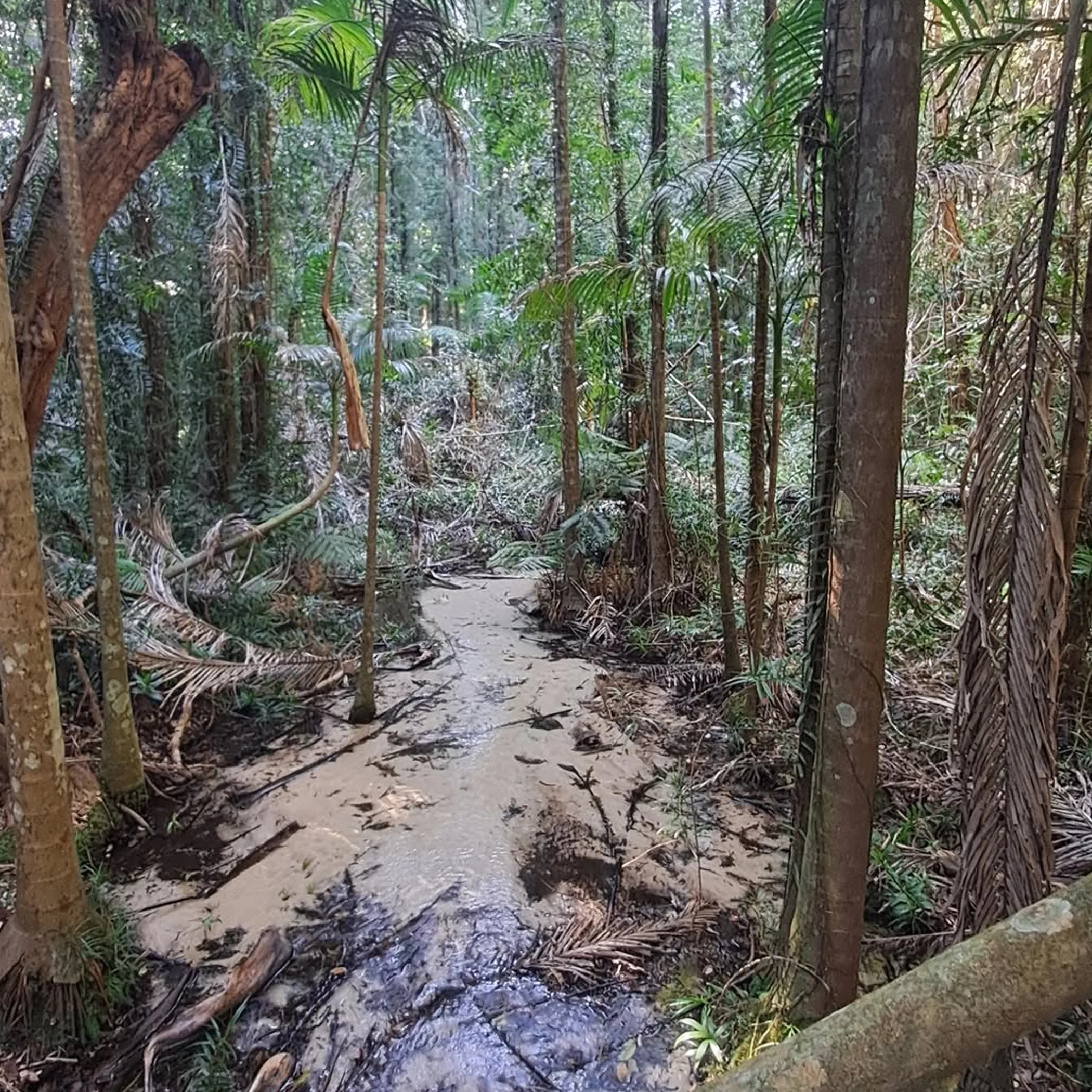
No single month is ideal for a walking or wildlife tour. There is the question of tides, daylight, animal breeding, rainfall and whether the guide is available. The season may tip the odds in your favour but wildlife will not be taking your booking.
A local expert will put animal behaviour and safety in context in a way a phone map cannot. Select an operator that is forthright about the difficulty of the walk, group numbers, transport and what is to be done if the weather turns.
Conditions and Experiences
Wine trails, national park outings and protracted urban walks are well served by spring and autumn. Desert touring is often left to winter for more agreeable days, even if the cold is real in the early hours and after dark.
Dawn and dusk departures for wildlife are worth it for the activity but expect to be up and about before your coffee with warm layers and an alarm to trust. As for cultural excursions, book with those who do not put living culture on display for a photograph but show due respect for the Traditional Custodians and local protocols.
- Before you book, look at the terrain, the shade, toilet facilities and distance.
- Have your water, hat, sunscreen, closed shoes and medication to hand.
- Make sure you know where to meet, parking and transfer times.
- Check the policy on refunds or alternative activities should the weather cancel plans.
- Observe fire restrictions and park closures and give wildlife and Indigenous rules the respect they warrant.
An Uluru Visit
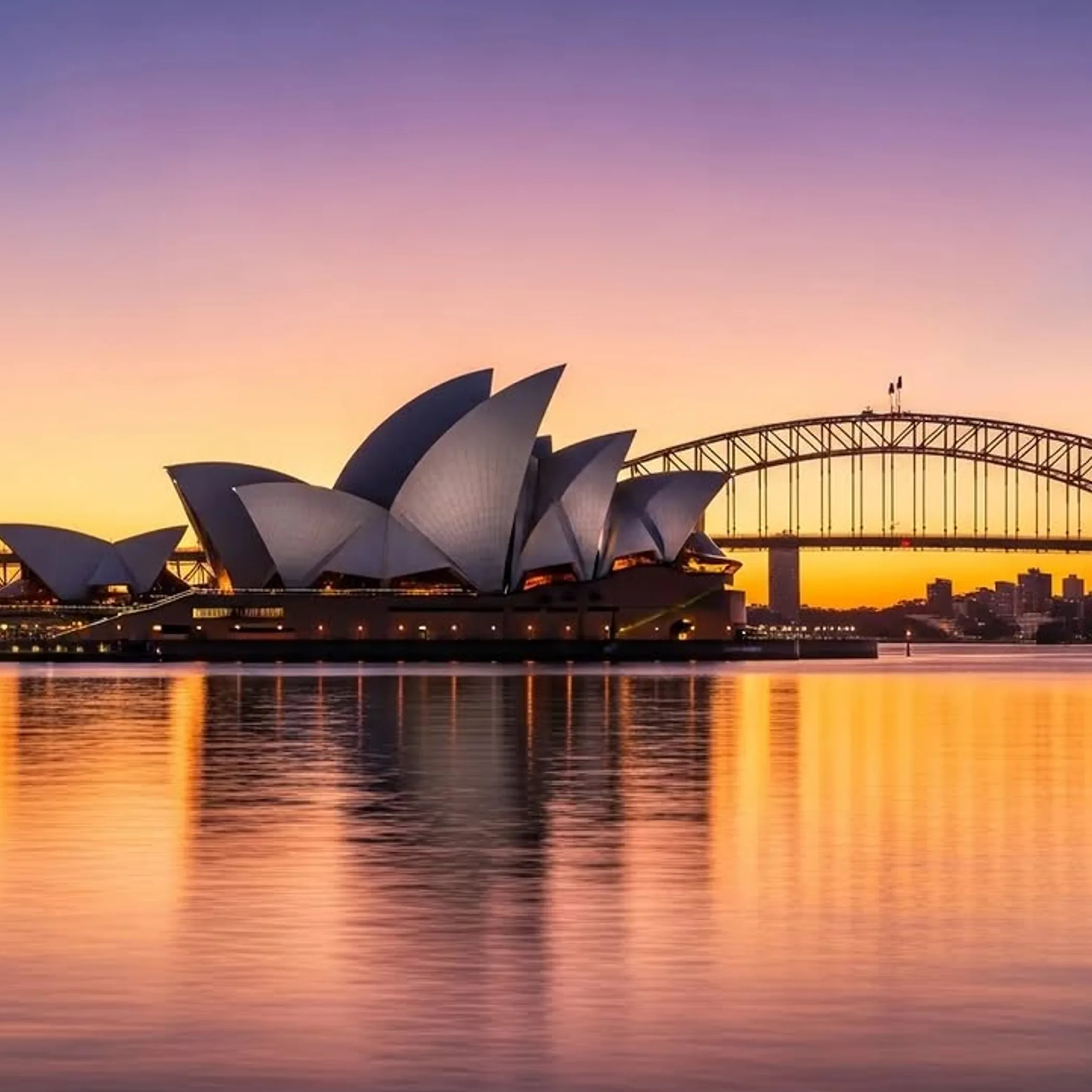
June to August are the usual times to be at Uluru and Kata Tjuta, being the cooler part of the year, but April to May and September are not bad either. Winter makes for a more pleasant walk in the day and the night sky is at its clearest without clouds.
Then again, do not be under any illusions about the Red Centre. Uluru is 348 metres up from the plain and the walks around it are no picnic with the glare, the unevenness and lack of shade. Some of the ground at Kata Tjuta is more taxing, so do not assume a track is a leisurely affair without checking the grade.
Practicalities in the Red Centre
Ayers Rock Airport is the way in for the majority of visitors to Uluru, from where flights and put-together transfers will see you to your accommodation or on a tour. One can drive, though the distances are no joke and some forethought as to fuel is in order. The Stuart Highway is a major artery of the Northern Territory but do not be deceived into thinking it is a short cut.
Sunrise, a guided walk, some cultural interpretation, rest and the odd weather delay should all be factored in. As for cost, an adult might expect to put out AUD $150 to $350 for a day’s guided experience; go for a multi-day excursion with meals, park access and transfers and the price tag will be much steeper. Consider such numbers a planning range and nothing more, prices being what they are.
Reef Beach And Water Trips
There is more to a good water experience than sunshine, safety has to be part of the plan. Be aware that wind, swell, tides, storms and marine stingers, to say nothing of operator restrictions, can put a damper on reef diving, snorkelling, whale watching or a beach tour.
While Great Barrier Reef excursions are on offer year-round, conditions in northern Queensland are at the mercy of the season. In the warmer months tropical weather and jellyfish may mean you need a protective suit or the route is changed, or even the beach is closed. A competent operator will have the right equipment and give you a proper safety briefing.
Choose Your Water Window
Make of your one day what you can by going for the experience most contingent on conditions. An early start with someone of repute is best for a reef trip; leave the flight for later. On a beach day, do not trust a deceptively calm morning, look at the tide and patrol information first.
Those with a nervous disposition or families and novice snorkellers would do well to book with a crew that has flotation gear and makes getting off the vessel easy. Even the confident swimmer is advised to pay attention to briefings. The ocean is not won over by a gym membership and currents are indifferent to your self assurance.
Australia Month-By-Month Guide
Use this as a means of making a workable itinerary out of the general patterns of Australian weather. It is a guide in every sense, not a guarantee; let official warnings and regional forecasts have the last word.
January To March
The summer holiday crowd is in evidence in January, along with the higher prices and busy beaches. Southern areas may have bushfire closures. Expect humidity and wet season in the Northern Territory and northern Queensland. February is fine for a meal in the city or a museum visit and some coastal time, if the heat and humidity do not put you off any lengthy walking. By March there is a transition to be had in Sydney and Melbourne and the wine country in the south, if not in tropical Queensland.
April To June
For an itinerary of mixed pursuits these are two of the better months in which to be in Australia. Autumn is conducive to food tours, wildlife and driving in the regions as well as a stroll in the city, and the days in more remote places are agreeable. Then winter sets in with June. A good month for the Red Centre and the dry season in the Top End and northern Queensland. In the southern cities the temperature drops so you will want to layer up instead of relying on a single jumper.
July To September
Uluru, the Great Barrier Reef, Darwin, Kakadu and Kata Tjuta draw their crowds in July and August. The north will afford you easier access and clear skies in the dry season, though expect to pay more for accommodation and tours when demand is at its height.
Down in southern Australia September is spring time. A good month for a walk in the garden or to see some wildlife, but as it gets warmer the weather is not so reliable. Make sure to look over park notices and any fire danger before you go.
October To December
For the south coast one can put in some time on the wine trails or have an outdoor cultural experience in October and November. Up north the onset of the wet season might start to put a crimp in your tour schedule and road access, not to mention the humidity.
Then comes December with its summer heat and school holidays; the long days are fine for the beach but an ambitious cross-country itinerary is best left for another time. Be flexible with your plans and get in early to book transport.
Frequently Asked Questions
We have put together answers to the questions that tend to trip up travellers. They are short and to the point, but in the end the decision is yours to make in light of your budget, health, mobility, what you can stand in the way of heat and the route you have in mind.
What Are The Best Months To Travel Around Australia?
As a rule March through May and September to November are the most accommodating months for getting about the country and they work for all manner of city, regional and coastal excursions. If Queensland, the Red Centre or the Northern Territory are on the agenda, June to August is usually preferable.
How Do You Say “Hi” In Australian?
You will be greeted with a “G’day”, or “mate”, “hello” and “hi” as the occasion warrants. There is no need to put on an outback act at the hotel reception, however.
What Is The Cheapest Month To Visit Australia?
One cannot point to a single month that is cheapest for the entire country. Some places have better value in late winter or autumn and prices have a way of coming down when there are no major events or school holidays. Do the numbers on your flights and tours for the route in question.
What Is The Weather Like During Summer?
In the north it is stormy and humid, in the south hot, and in Tasmania and the alpine regions variable. And with the prospect of cyclones, heatwaves and bushfires to contend with, do yourself a favour and check the regional warnings prior to putting money down on something non-refundable.
Are Guided Tours Suitable For Beginners?
A city walk or an introductory reef trip certainly are. But if fitness or mobility is an issue or you have little experience of the heat, the likes of a remote four-wheel-drive route or an exposed water activity may be too much. Put it to them directly: ask of the terrain, the distance, where the toilets are and what the emergency protocol is.
Be Flexible With Your 2026 Plan

Your 2026 visit to Australia should be timed to the season and the experiences you want to have. Winter is the time for northern Australia and the Red Centre, spring or autumn for the south, and for the coast and reef in Queensland a tropical-season plan that has been well thought out.
Do not pack things in too tight. Allow for a change of heart or the state of the roads. Those who put the details in order, take sufficient water and are amenable to a wrong turn or a tour running late will find Australia is worth it; the guide will know where to get a decent coffee and you will have a story to tell.
